In 1925, print newspaper was the main source of news for American households. Though a majority now had radios, 70% of broadcasting was music and less than <1% was news. This changed slightly toward the end of the decade as the film and television industry expanded (the first “talking picture” was released in 1927). Still, most people got their news from the daily papers.


This was the era of yellow journalism; reporters crudely exaggerated the facts and focused on whatever aspects of a story were sensational, whether or not they reflected what was actually happening. This sort of “carnivalistic” reporting style started in the summer of 1924, when the biggest news story was the case surrounding the kidnapping and murder of a 14-year-old boy by two students at the University of Chicago known as Leopold and Loeb.
However, news in early 1925 was slow. Sports was between football and baseball seasons. The biggest story that winter was the 1925 Serum Run to Nome, a five-day-long sled-dog run to reach the small town to give inhabitants a life-saving diptheria antitoxin. So, even if the Floyd Collins story appeared as a hoax, the Kentucky newspapers couldn’t help but run it.
On January 31st, the Courier-Journal was the first to report: “Cave-in Pins Man Supine in Cavern” The next day, Sunday, February 1st, Herald-Post ran the headline “Collins Free- Says Never Again,” falsifying information to edge out the reporting from the Courier-Journal. The next Monday morning brought more inaccurate, fake news-y blurbs on the Floyd Collins incident.
But, on the morning of Tuesday, February 3rd, Floyd’s story had gone nationwide. Reporters were arriving from large newspapers in major cities, all clamoring to get eye-witness information and accounts that no other paper had. Papers began spreading theories and false information about the incident for the sake of selling papers – the rock trapping his foot weighing seven tons, the various rescuers made heroes, even a theory that Floyd wasn’t trapped at all.
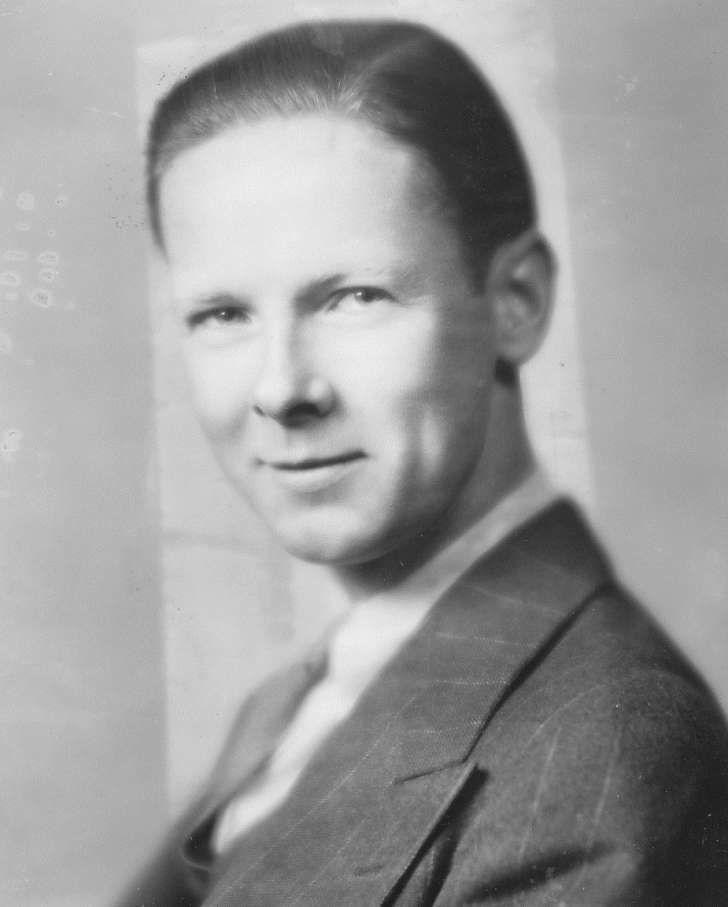
When Collins’ was confirmed dead, the New York Times ran an unprecedented front-page, three-column story. Later that year on May 31, 53 killed in a North Carolina explosion was on page 7; Dec 12, 61 killed in an Alabama coal mine blast was page 3.
The Collins story was so captivating that it became the third largest news story between the World Wars, behind only Charles Lindbergh’s trans-atlantic flight and the kidnapping of his infant son.
*For some more context, here’s a map for the reporters of all the newspapers mentioned in “Is That Remarkable?” (Cave City, KY is in purple; blue is 1st verse, orange is 2nd, green is 3rd)



 Floyd Collins - University of Utah